From castles to loos - protecting Wales' history
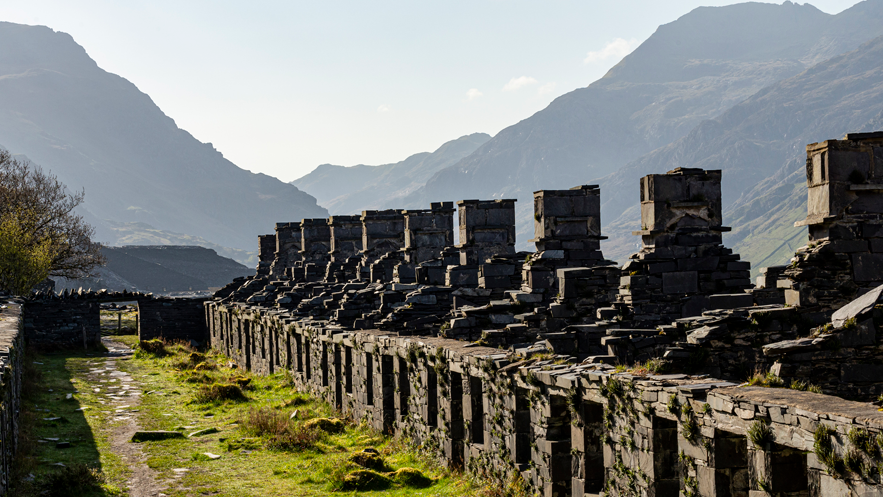
It cares for thousands of listed buildings, monuments, and assets and assists in preserving Wales' heritage.
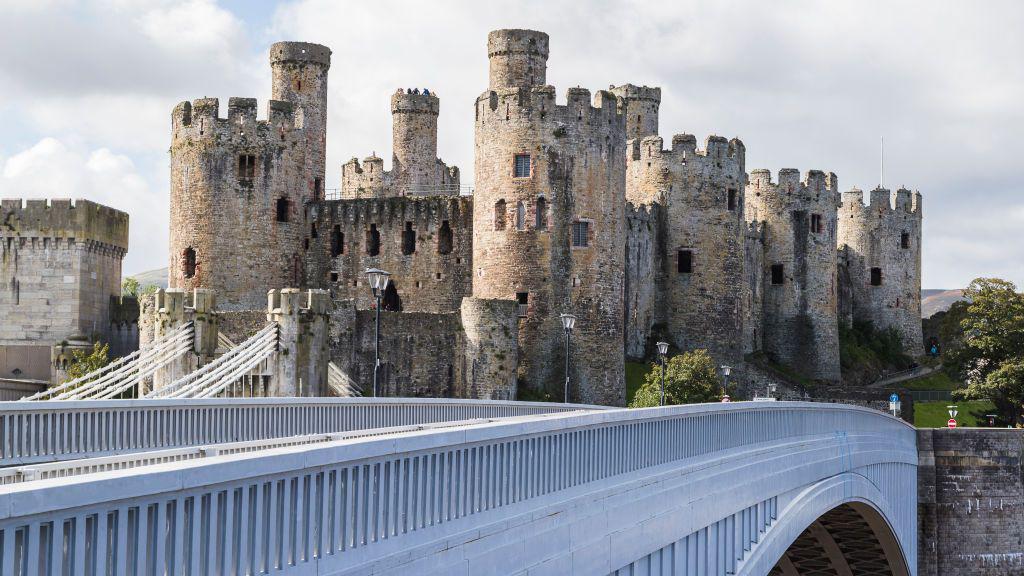
Now, Cadw, the Welsh government's historic environment service, is celebrating its own milestone - its 40th anniversary - 75 years since the first historical buildings were designated as protected sites in Wales.
Meaning "to keep" or "protect" in Welsh, Cadw was established in the autumn of 1984, a joint agency of the Welsh Office and Wales Tourist Board, with the goal of safeguarding and promoting the country's heritage for visitors.
It has taken responsibility for 10,500 listed buildings and 2,700 monuments from the Department of the Environment, and since that time, another 20,000 assets have been given protection through listing.
The initial listing of protected heritage assets took place in May 1949, featuring the main building at Bangor University and Bangor Town Hall - the historic Bishop's Palace, which dates back to the 16th century.
Powys has the most listings of any Welsh county, with nearly 5,500, closely followed by Merthyr Tydfil, the smallest county in Wales, which showcases its rich industrial legacy.
The most distant is located on a rock 16 miles off the coast of Pembrokeshire – the Smalls lighthouse.
We've developed a map above that displays the locations of all 30,100 listings; you can click on the map to access more details about them.
Alongside over 1,000 churches and 670 chapels, it features more than 300 pubs, 94 castles, and 25 lighthouses.
In addition to these attractions, there are also around a dozen theatres and cinemas, 13 animal watering stations, 11 bandsstands located in various parks, and a selection of post boxes, along with five cannons, the walls of the Swansea prison, and a hut at the former prisoner of war camp in Bridgend.
Other curiosities include an old windmill located near a Pembrokeshire airstrip, which was modified to function as a machine gun position during World War Two.
Approximately half of the listed assets are homeowners' residences.
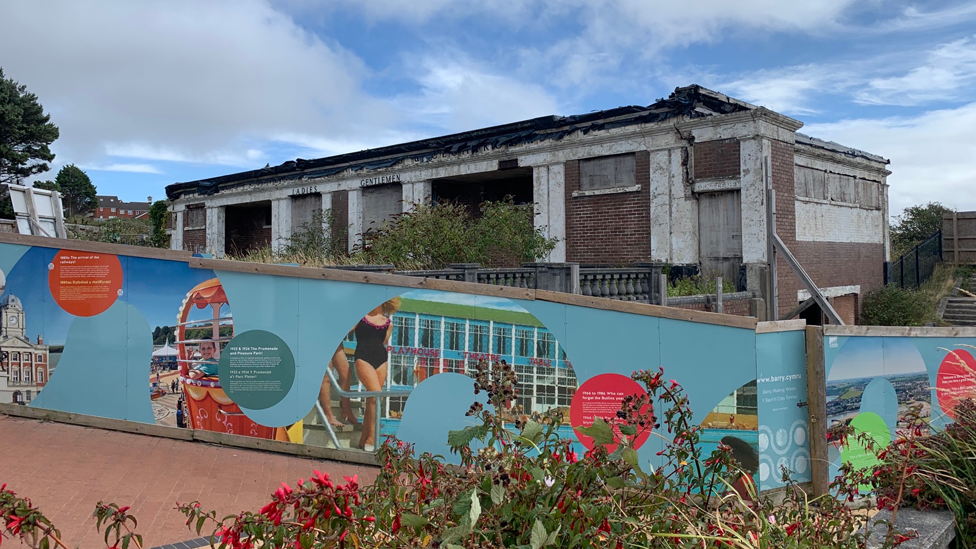
In Barry, Vale of Glamorgan, there are 57 listings, including the lifeboat station and a public restroom.
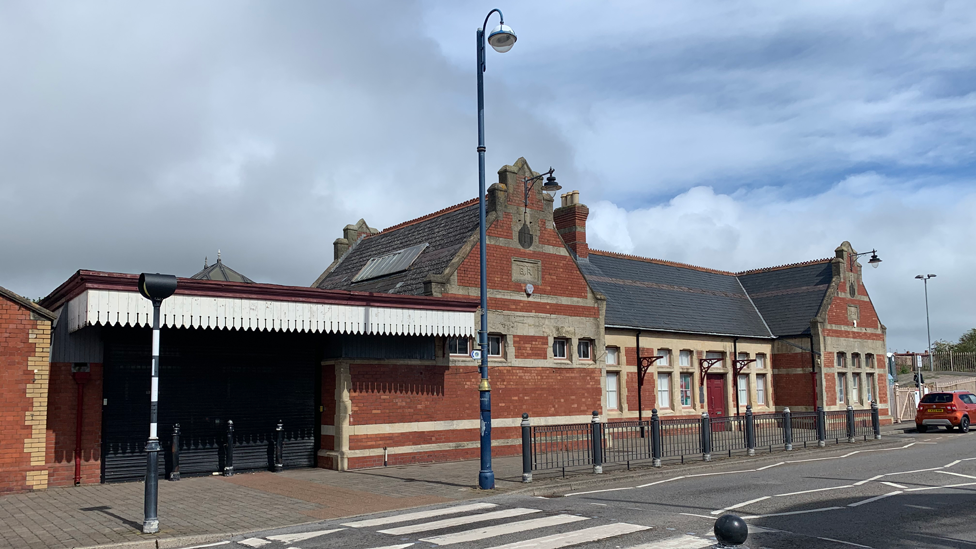
The latest to be protected is Barry Island resort's railway station, described as a "good example of a late 19th Century railway station building that has survived relatively intact".
Gwilym Hughes, head of Cadw, said: "What makes it unique is that it's completely unchanged, which reflects the late-Victorian era, as the town of Barry was designed and established at the time the station was constructed, and it was still relatively young, only about 10 years old."
It originated in 1884 when the construction of the docks began and the village, which was previously small, rapidly expanded, reaching a population of about 30,000 inhabitants within roughly a decade.
This station showcases the remarkable development story of this industrial town and seaport.
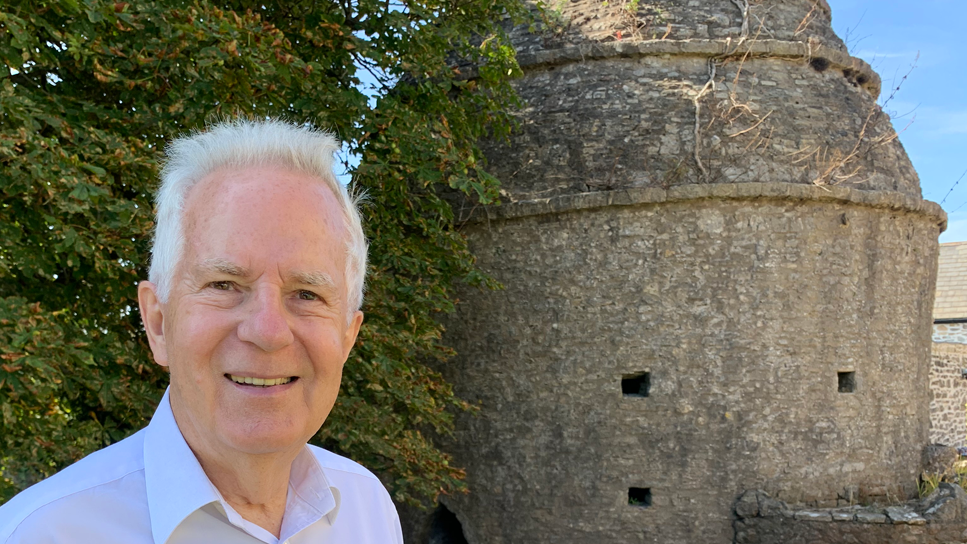
Dennis Clarke resides at The Court in Cadoxton, Barry, which boasts a historic dovecote that has been listed as a Grade I building - the sole instance of its kind in the town - dating back over eight centuries.
"In those days you didn't have a dovecote unless you were one of the mega rich," he said.
For people back then, it would have been a prestigious possession and an essential provider of various valuable commodities, encompassing food, feathers, eggs, and even a valuable substance used in explosives.
''There are 750 nesting cavities for birds, indicating roughly 1,500 birds, including their fledglings, lived within this area.'
We can only imagine the disturbances and odors the staff were exposed to. Currently, we don't receive any birds here, so I don't need to bother with cleaning up any messes.
About 10 years ago, Dennis settled into the property and now offers guided tours approved by Cadw.
He claimed that one historian referred to it as having more historical significance per square inch than any other location in Barry.
It is the only remaining part of the original mansion still standing and Denis said that the legend is that it was destroyed by Owain Glyndwr - the last Welsh prince.
"It was rebuilt by the owners in the 15th Century but then fell into disrepair and the Grade II rectory which is now our home was built in 1873. It's brilliant that the dovecote has survived.
It is a honor to reside here but with that honor comes the obligation to preserve it, so that the next individuals who follow us can hopefully possess the same appreciation and maintain it accordingly.
Forty years into its operation, Cadw's work remains ongoing.
Over 50 buildings of Grade II significance have been listed since 2023, with 13 of them listed in the current year.
The latest is Christ the King Roman Catholic church in Builth Wells, Powys, which dates back to the 1950s.
It was constructed according to the specifications of the parish priest Father John O’Connell, a scholar who authored a book on church architecture and had a particular interest in its design.
Three other church buildings have also been added to the list this year, located in Carmarthenshire, Pembrokeshire, and Swansea.
A garage and lodging supposedly used by the chauffeurs of aristocratic tourists visiting Colwyn Bay is a newly listed property from the Victorian era.
The A5 Holyhead road in Gwynedd and Conwy has had three milestones designed by Thomas Telford given protected status.
The 1970s modernist Aberystwyth arts centre and university library are currently under a temporary safeguard as they are being considered for official recognition.
In 2023, notable Grade 2 listings were assigned to St David's Hall in Cardiff and the Plas Menai outdoor education complex in Gwynedd.
There were also listings for a rare 19th-century horse trough in Stackpole, Pembrokeshire, and the Harlequin puppet theater in Rhos-on-Sea, as well as the former home near Montgomery of songwriter Jerry Lordan, who wrote hits for The Shadows, and whose house came with its own cave.
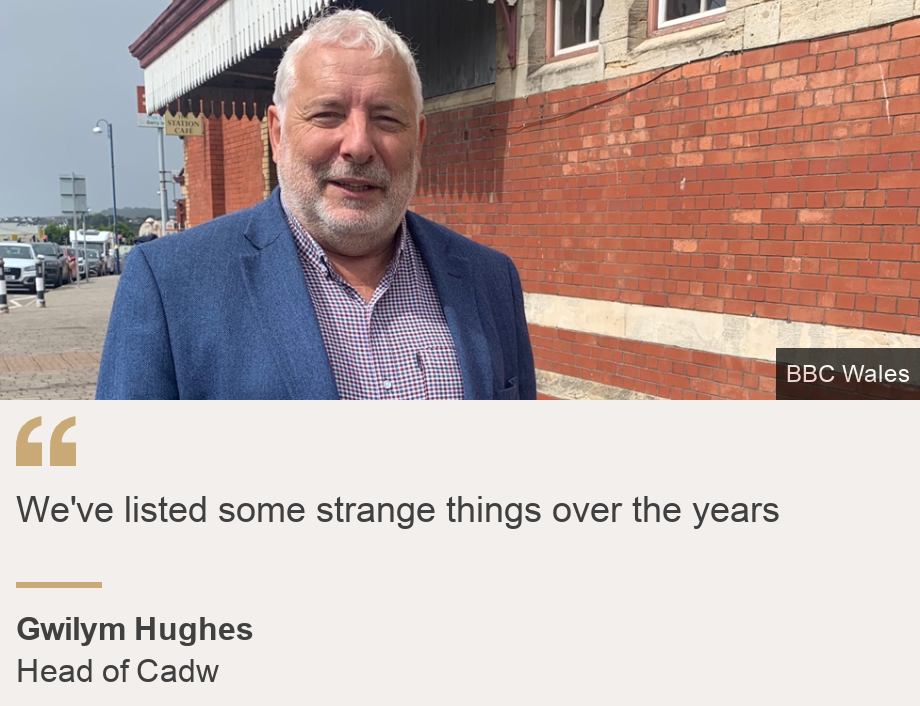
Mr. Hughes stated that Wales possesses one of the highest percentages of historic structures in Europe, noting it is "extraordinary" that approximately 30% of all residential buildings predate World War One.
He noted: "We've documented some unusual items over the years, including the distinctive apple kiosk in Mumbles, a quirky sculpture, as well as a blue police telephone box, which can also be seen in Newport and Tredegar, and even a lump of coal has made the list."
Indeed, it's not just a lump, it's a massive 15-ton coal, the largest piece of coal ever extracted and sculpted that has been documented.
"Only in Wales!"
Join the conversation