Humans may not have survived without Neanderthals
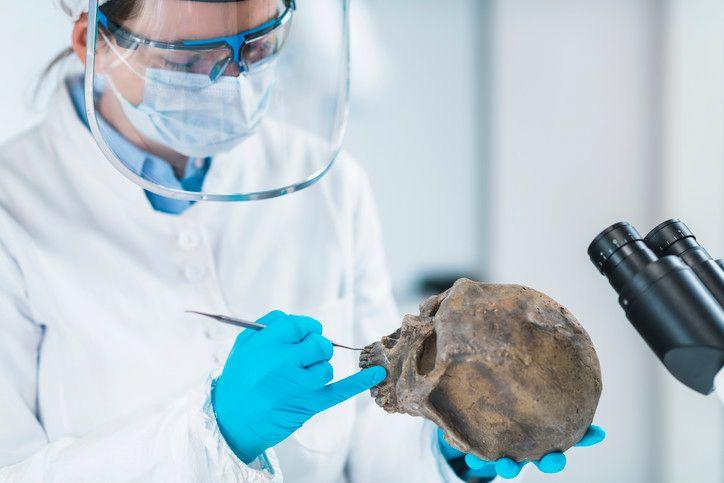
New research has found that modern humans did not emerge as global conquerors after arising from Africa, but instead faced multiple extinctions before expanding across the world.
This latest DNA discovery has also shed new insight into the role our Neanderthal relatives played in our success.
While these early European humans were long considered to have persisted and thrived after migrating from Africa, recent research reveals that only those who interbred with Neanderthals continued to thrive, whereas other strains perished.
In actuality, Neanderthal genes may have played a crucial role in our success by safeguarding us against novel diseases we hadn't encountered previously.
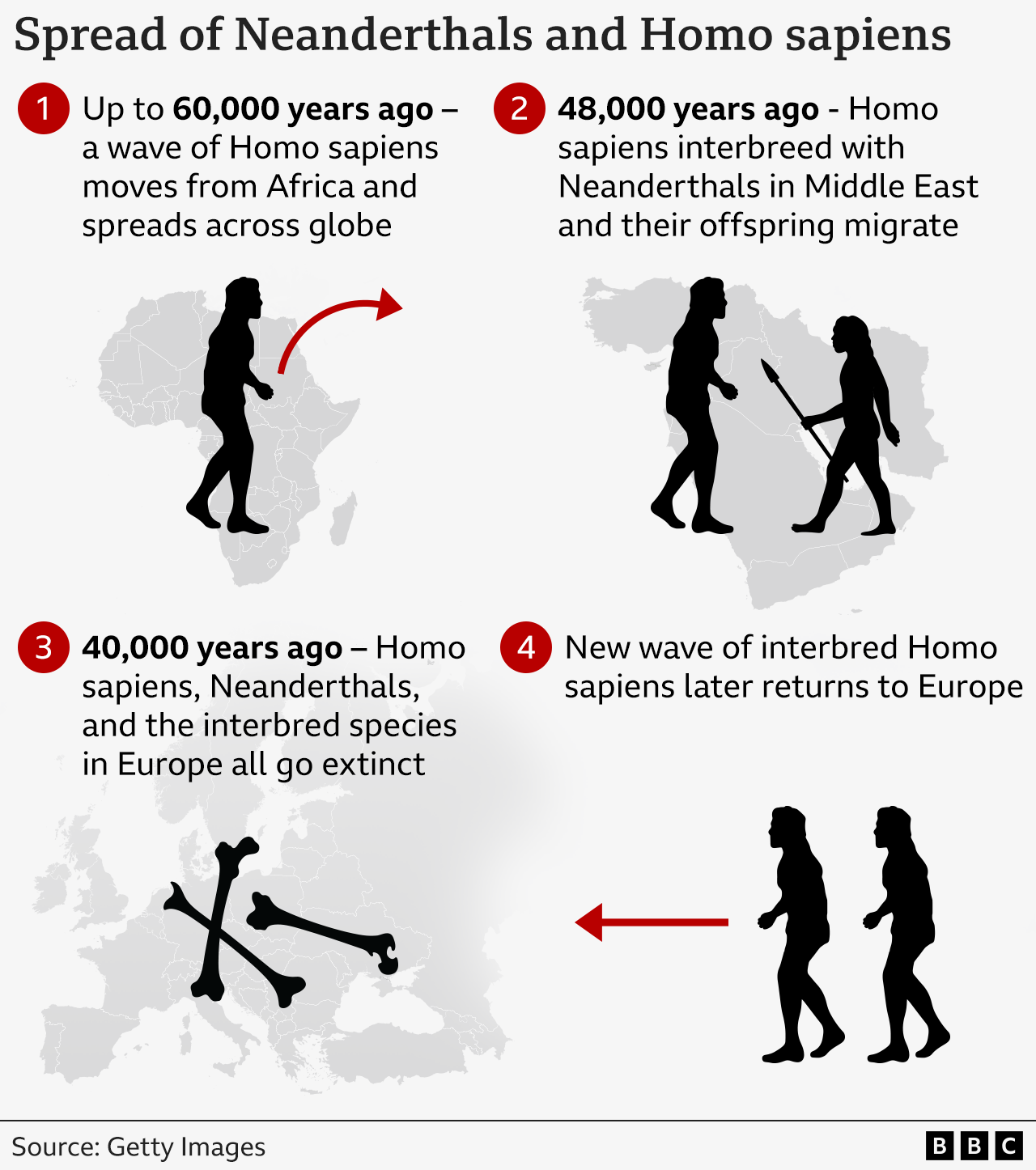
Recent research has established that a 48,000-year-old period marks the first recorded occurrence of interbreeding between humans and Neanderthals, following their departure from Africa, after which humans began to inhabit a broader geographic range.
Human beings had crossed over to other continents before this, but the new research indicates these earlier populations did not survive beyond this interbreeding period.
Dr. Johannes Krause of the Max Planck Institute of Evolutionary Biology in Germany told Weden NewsNews that the history of modern humans will now have to be revised.
"Some of that resilience, however, has been selectively filtered out, because during the early days, our kind nearly faced extinction on multiple occasions.
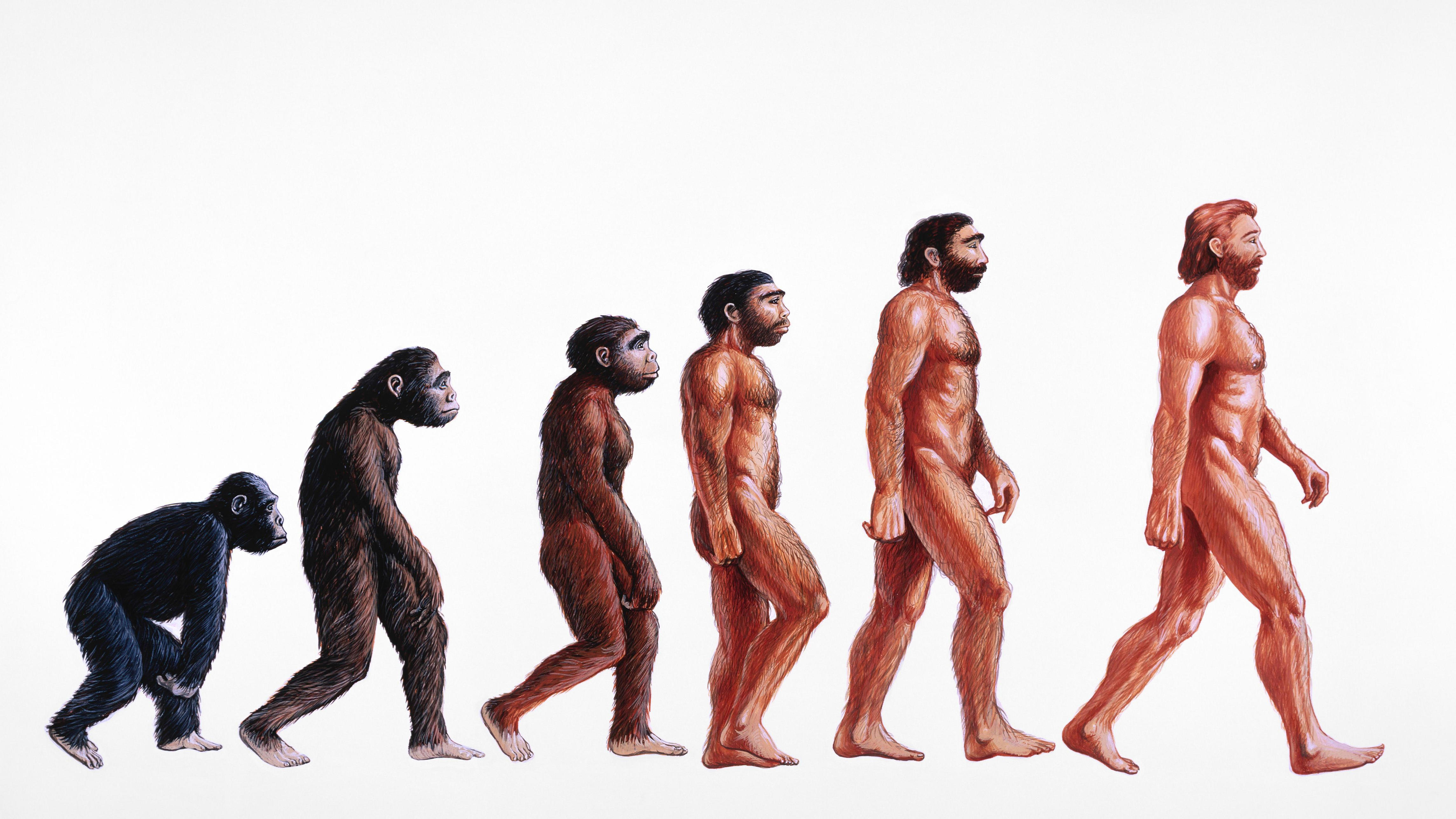
For a long time, understanding how and why humans are the only surviving species was based on studying the shapes of fossilised remains of early human ancestors that existed hundreds of thousands of years ago and observing the gradual changes in their physical structure over time.
Archaeological remains have been scarce and frequently damaged. However, the technique of extracting and deciphering the genetic code from bones that date back thousands of years has shed new light on our enigmatic heritage.
Fossil DNA tells the story of individual creatures, their relationships with one another, and the routes they took in migration.
Although we had assimilated with the Neanderthals, our population in Europe was not without its challenges.
Individuals representing the first modern humans to coexist with and interbreed with Neanderthals eventually became extinct in Europe about 40,000 years ago - although their descendants went on to inhabit further reaches of the globe.
It was the ancestors of these early global pioneers who eventually went back to Europe to re-populate it.
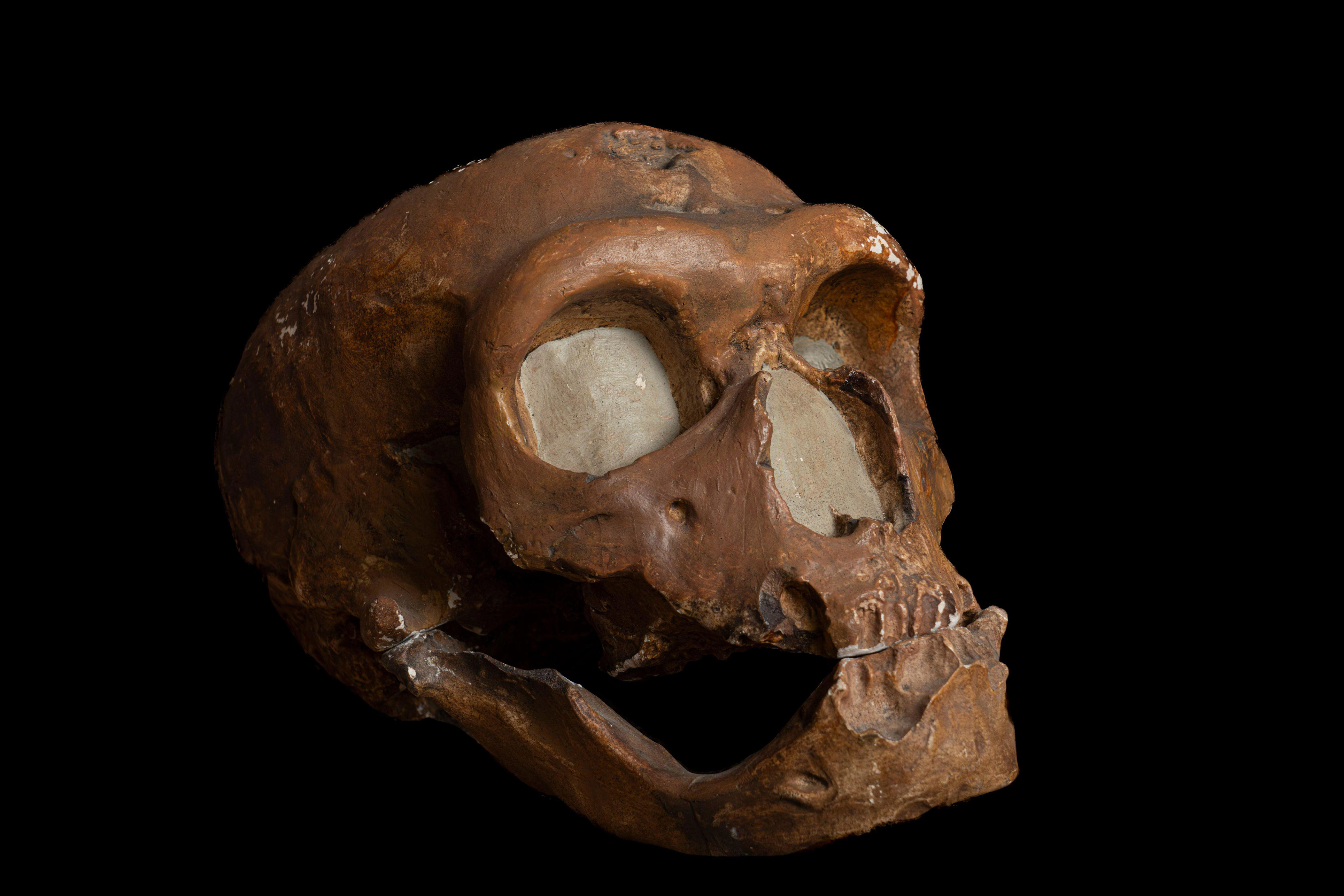
Researchers' new findings also present a fresh perspective on why Neanderthals became extinct relatively shortly after modern humans migrated to their habitats from Africa. As of yet, the underlying reason for this remains unknown; however, this new information leads us away from the speculation that our species drove them out through hunting, or that we possessed inherent physical or intellectual advantages.
Professor Krause suggests that external factors are the cause he accepts this notion.
He noted that both humans and Neanderthals became extinct in Europe at that time," he said. "If a successful species like ours, which had a larger population, went extinct in the region, it's not a surprise that a smaller population of Neanderthals also went extinct.
The climate was remarkably unstable at that period. It could change rapidly, shifting from a warmth level similar to that of the present time to a bitterly cold temperature, sometimes within the span of a single human life, notes Prof Chris Stringer of the Natural History Museum in London.
Researchers found that in the late stages of their existence on Earth, Neanderthals were few in number and less genetically diverse than the modern humans they coexisted with. Speaking to this point, he stated, "The study indicates that it likely wouldn't have taken much for Neanderthals to become extinct due to their already low population and reduced genetic diversity."
A separate DNA study, published in the journal Science, reveals that modern humans retained key genetic characteristics from Neanderthals, which may have contributed to their evolutionary advantage.
One aspect concerns their immune system. When humans migrated out of Africa, they were highly vulnerable to new diseases they had never come into contact with. Intermixing with Neanderthals gave their offspring some protection.
Perhaps acquiring Neanderthal DNA contributed to our success because it endowed us with superior adaptability beyond Africa," said Professor Stringer. "We had evolved in Africa, while the Neanderthals had evolved outside of Africa.
We acquired an advantage to our immunity through interbreeding with the Neanderthals.
Join the conversation