I'm an FDA food expert - how to avoid stomach bugs when flying
Embarking on a vacation or business trip, the last thing you want to encounter is a stomach virus.
But a food safety expert warns that a similar situation could become a harsh reality for hundreds of airplane passengers if they don't take heed of the food they consume while flying.
The celebrity has shared with Weden Newsthat he remains cautious about his food choices while on a flight, brought on by several instances of listeria, E.coli, salmonella, and even cholera outbreaks occurring on various major airlines over the years.
Ingestion of E. coli, contaminated food, water or improper food handling can cause symptoms such as abdominal cramps, vomiting, diarrhea, fever, chills and fatigue.
This summer, a Delta flight was compelled to make an emergency landing when personnel discovered that passengers were served contaminated food.
Medics met the plane after it landed at John F. Kennedy (JFK) Airport and administered assistance to 14 travelers and 10 flight crew members, all of whom opted not to receive medical care on the premises.
The type of bacteria that most frequently contaminates edible substances is Campylobacteria. They can bring on vomiting, diarrhea and fever, and, in exceptional cases, potentially deadly sepsis.
Flight safety with regards to food is a crucial yet frequently disregarded aspect of air travel. However, passengers can reduce the danger of getting ill by being cautious about what they eat on planes.
He notes, "Certain foods and beverages pose greater risks due to how they are prepared or stored."
'Understanding these risks, along with the airline catering process, can assist travelers in making informed decisions about their in-flight meal choices.'
'Practising proactive hygiene can greatly decrease the likelihood of becoming ill from food poisoning.'
The university professor informed this website about his six measures to minimize the risk of catching an illness during a flight.
ALWAYS SKIP ICE
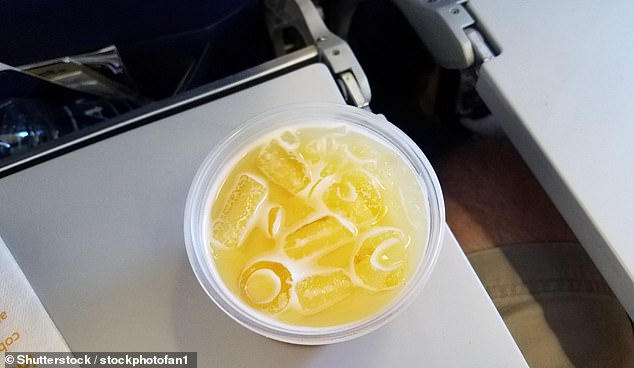
According to Dr. Detwiler, spoken to Weden News, airline ice can sometimes contain contaminants from the water used to make it or its handling process.
He observes that older planes often have suboptimal water systems, and ice produced may be made from unpurified water that is not suitable for drinking.
Ice is commonly produced from the aircraft's supply of tap water, which is typically stored in reservoirs that have been found to harbor bacterial growth.
In 2004, the EPA conducted a test on the water supply of 158 aircraft and found that 20 tested contaminated with harmful bacteria, including E. coli.
To enhance water quality standards, the United States government enacted the Aircraft Drinking Water Rule in 2011, mandating airlines to offer passengers clean drinking water.
In accordance with Department Air Water Regulations, airlines are mandated to disinfect and flush each aircraft's water tank four times per year.
They can either disinfect them once or conduct regular monthly tests.
Although the ADWR has implemented mandatory improvements across the board, researchers emphasize that there is still scope for further progress.
The 2019 Airline Water Quality Study ranked 10 major and 13 regional airlines based on the quality of the water they provide on their flights, and each carrier was assigned a "Water Health Score".
Alaska Airlines and Allegiant Airlines emerged as the top performers, enjoying the safest drinking water on board, while JetBlue and Spirit Airlines received the lowest scores.
With this in mind, Dr Detwiler advises choosing sealed bottled beverages and always avoiding ice.
BE CAUTIOUS OF SANDWICHES
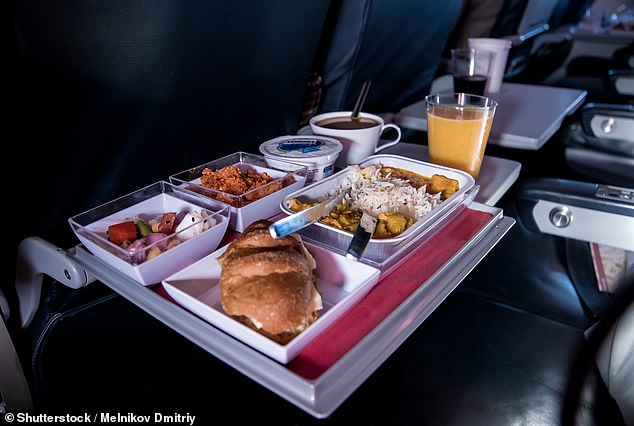
Sandwiches are a common snack option on airplanes, but Dr. Detwiler recommends against eating them.
We find that fillings such as sliced meats or cheeses are most susceptible to spoilage, if stored improperly.
The food expert told Weden Newsthe following: 'These products can potentially carry bacteria such as listeria or salmonella if not kept at the correct temperature.
Improper refrigeration or extended exposure to room temperature heightens the risk.
The consumption of sandwiches, meat and cheese platters, and mayonnaise-based salads 'should be approached with care.'
SKIP THE SUSHI
In premium airline seats, upgraded in-flight meal options might include choices such as sushi and carpaccio, as Dr. Detwiler notes.
He advises against consuming raw foods as he mentions "one of the biggest risks in airline catering is the failure to maintain safe temperatures for cold foods."
Seafood commonly served on planes includes shrimp, with salmon being another popular option.
Dr. Detwiler suggests opting for "hot meals or well-cooked options that are less susceptible to contamination."
He also suggests verifying that warm dishes are sufficiently heated, adding that "hot foods must be kept above 140° Fahrenheit to prevent the presence of bacteria."
'Improper separation of raw and cooked foods during preparation can lead to cross-contamination, which increases the risk of bacteria such as E. coli and salmonella.'
KEEP YOUR HANDS CLEAN
According to Dr. Detwiler, airports and airplanes are high-traffic areas with numerous communal surfaces.
He emphasizes that it is of utmost importance to 'always wash your hands thoroughly with soap and water before eating.'
A hand sanitizer containing at least 60% alcohol is recommended as an option if hand washing is not feasible.
Cleaning your hands thoroughly is especially crucial when consuming finger foods like bread rolls or cheese and crackers.
And also, when you're sharing packets of chips or snacks with family or friends.
GIVE IT A SNIFF
It is recommended that you inspect each item on your in-flight meal service tray carefully before consuming it.
When you're on a night flight, it might be helpful to turn on the overhead light in order to clearly see each object that's around you.
'If any food served appears undercooked, spoiled, or has an unusual smell, it's best to avoid eating it,' Dr Detwiler advises.
He advises: 'Consider trusting your instincts and don't hesitate to inquire about alternative options for a snack or meal.'
CHOOSE PREPACKAGED FOODS
Dr. Detwiler suggests purchasing prepared goods from the airport if possible before boarding a flight.
If there are packaged items available during the flight - such as sealed slices of pizza, blocks of cheese, or cereal bars - he suggests choosing these over meals prepared onboard.
He concludes: 'These foods are often processed in more regulated environments.
These types of items generally pose a lower risk of contamination compared to fresh or perishable goods.
Read more
Join the conversation