Stonehenge site may have 'unified' ancient Britain
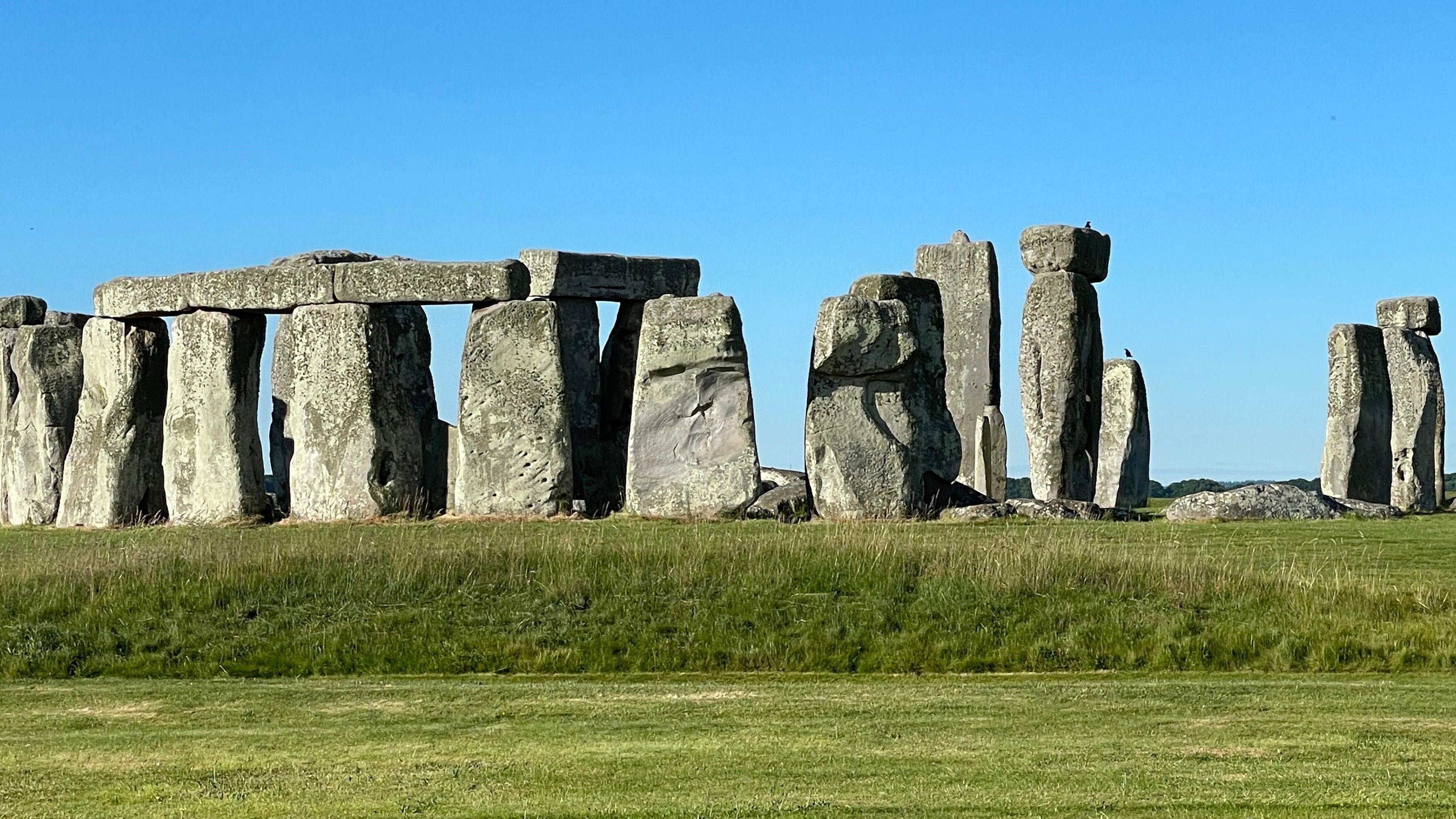
New research suggests that Stonehenge may have been constructed to unify people in ancient Britain.
.
The lead author of this study - Professor Mike Parker Pearson from the UCL Institute of Archaeology - noted that the fact that the stones originate from various locations in the country makes it "one-of-a-kind among more than 900 stone circles in Britain".
Entitled, it is also noted in Archaeology International, the 43 bluestones at Stonehenge originated from a location 140 miles (225km) away in Wales.
Dr. Parker Pearson stated: "It has been recognized for some time now that individuals arrived at Durrington Walls from various regions of Britain with their pigs and cattle for ceremonial feasting, and almost half of the individuals buried at Stonehenge had not resided on the Salisbury Plain.
The similarities in architecture and material culture between the Stonehenge area and northern Scotland are now more understandable.
It was reported earlier this year that the six-tonne altar stone is believed to have originated from Scotland, probably arriving about 2,500 BC, when the layout of Stonehenge was modified from its original form.
Co-author Professor Richard Bevins from Aberystwyth University examined the geology: "Our research is similar to forensic science. We are a small team of earth scientists, each contributing their own field of expertise; it is this combination of skills that has allowed us to pinpoint the origins of the bluestones, and now the Altar Stone."
It bears similarities in size and positioning to the large, horizontal stones found in stone circles in northern Scotland, where it was first discovered.
Researchers believe there may have been strong cultural connections between these areas of Scotland due to the unique characteristics of the stone circles being exclusive to one region of the country.
The Welsh bluestones are thought to have been brought for the original construction of Stonehenge, whereas more contact between Britain and Europe is suspected to have occurred during the second building phase.
Stonehenge has been the subject of numerous theories, ranging from a ancient temple for religious purposes, to an astronomical observatory, and even a calendar aligned with solar movements. This latest research sheds light on an additional aspect: a potential political dimension.
Follow Weden NewsWiltshire on Facebook , X and Instagram We welcome your story ideas! Please send them to us via email. Contact us on 0800 313 4630 via WhatsApp .
Join the conversation